How to Dry and Preserve Flowers at Home: 5 Methods That Actually Work
Learn how to dry and preserve flowers at home with five proven methods that actually work. From air drying and pressing to silica gel preservation, discover easy techniques to keep your favorite blooms beautiful for months or even years.
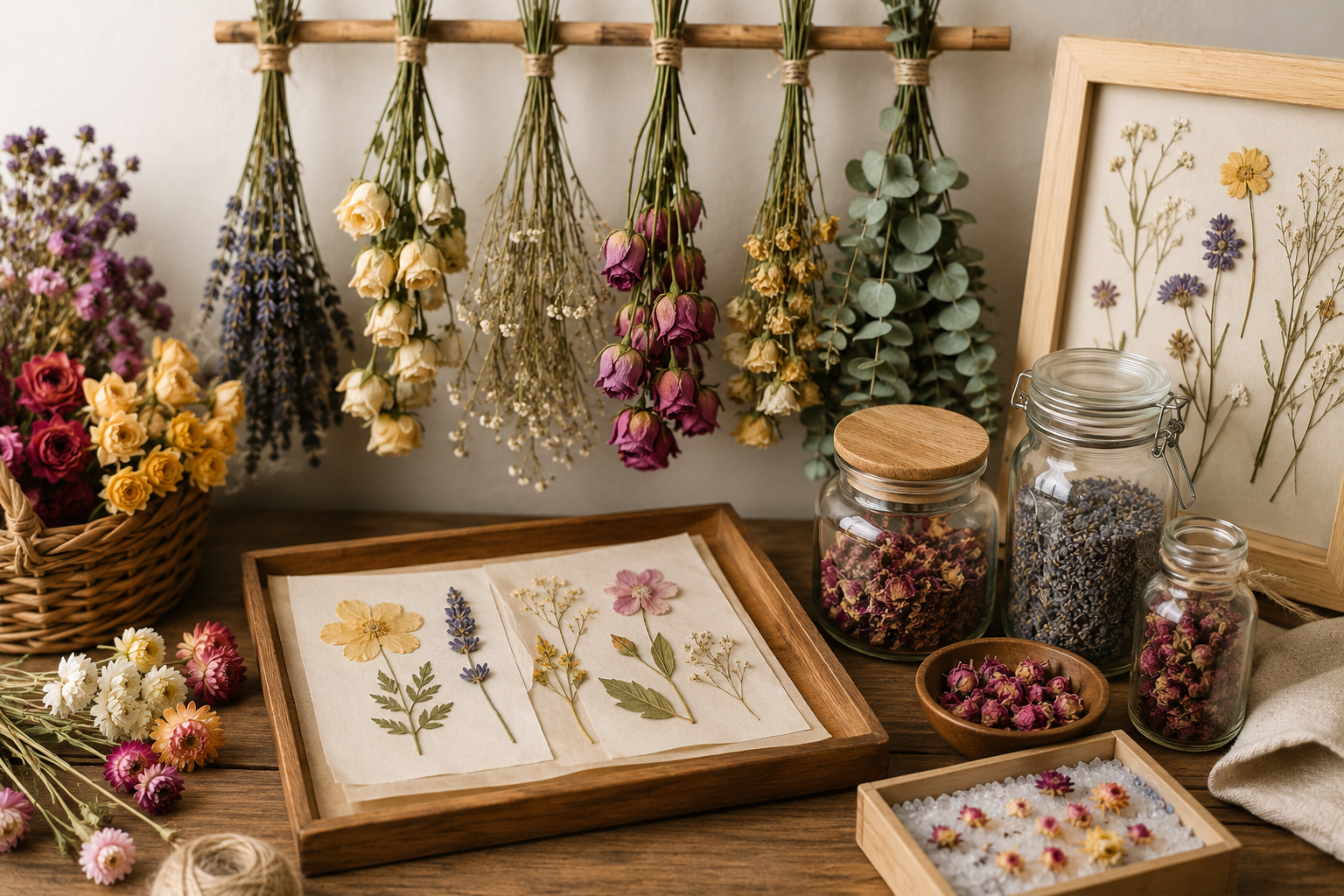
Fresh flowers don’t really have to vanish in a few days, like poof and gone, or whatever. With the right approach, they can keep their shape, their color, that whole meaning thing too, long after the bouquet was first enjoyed. Drying flowers at home is kinda easy, practical as well, and honestly, it’s a nice way to save something pretty from a special time
Why Preserve Flowers at Home?
Preserved flowers do more than just look good; they keep a memory, a little celebration, or this quiet second that feels worth holding on to. So a lot of folks end up doing flower drying not because they want less drama, but because they want something that lasts longer than a short-lived arrangement.
A reliable florist in West Jefferson, NC, can usually point you toward blooms that dry well right from the start, and that makes the whole preservation part way less stressful
5 Methods That Actually Work
1. Air Drying
Air drying flowers is the simplest path, and yeah, it’s often the most dependable, especially if you’re new at it. It usually works best for roses, lavender, baby’s breath, and other blooms with firmer stems
Tie the stems together, hang them upside down, and put them in a dark, dry spot. Over time, the flowers lose moisture slowly, and they keep their shape pretty well, too. A florist Crumpler might recommend this route because it takes very little gear and the result can look naturally “right.”
2. Silica Gel Flower Drying
Silica gel flower drying is a good call when you want to keep more of the original look, especially the form and color. Those little crystals pull moisture away faster than air drying alone does
Put the blooms in a container with silica gel, then cover them completely. This method is especially good for roses, peonies, and flowers with delicate petals. It’s a solid choice when you want the final result to seem tidier and more complete
3. Press Flowers at Home
Pressing flowers at home is what you do when you want a flat keepsake for cards, frames, or journals. This method usually fits smaller blooms with thinner petals, like daisies or pansies
Slip the flowers between absorbent paper, then press them under a heavy book or use a flower press. They slowly flatten and dry while still holding onto their color in a gentle way. It’s simple, sure, but it can feel weirdly calming too
4. Microwave Flower Drying
Microwave flower drying is one of the quickest ways to preserve blooms, especially if you want fast results. It uses heat, carefully, to pull moisture out in a shorter span of time
The flowers should be placed with a drying agent, and you’ll need to check them often so they don’t end up too brittle. This is best when you want speed, not a slow, steady drying process that takes forever
5. Glycerin Preserved Flowers
Glycerin-preserved flowers tend to stay softer than fully dried blooms. The glycerin swaps into the stems, replacing moisture, which helps the flowers remain flexible for longer
This method works great for greenery and sturdier stems, too. It’s also a good route when you want preserved flowers that still feel natural, not completely dry and stiff. A bouquet from Jefferson Flower Shop can often be preserved this way if the stems are strong enough and don’t collapse
How to Make the Best Choice?
Match the Method to the Flower
The best way to preserve it depends on the bloom. Thicker flowers can do better with silica gel, while smaller blooms might look best when they’re pressed, or air-dried
If you’re not sure where to start, air drying flowers is usually the easiest first try, because you don’t need special tools or a ton of experience
Think About What You Want to Keep
Some people want flowers that stay three-dimensional, still kinda “there” in space. Others want a flat keepsake, or a decorative display thing
That’s where DIY flower preservation really matters. You get to choose the style that matches the memory you’re trying to hold onto
Flowers That Dry Best
Roses and Lavender Hold Up Well
Roses, lavender, and similar blooms are popular because they dry in a way that still looks nice. Their shape stays recognizable, and their color often holds onto a soft, appealing vibe
A flower delivery bouquet that includes these is often easier to preserve than super-delicate blooms with fragile petals
Seasonal Blooms Can Work Too
Some seasonal flowers can dry nicely, as long as they’re fresh and healthy when you pick them. Timing matters a lot since flowers that were already tired usually don’t preserve as well
So yeah, starting with the right bouquet makes a real difference
Drying and preserving flowers at home is a simple way to keep beauty around a little longer. Whether you use air drying, silica gel, pressing, microwaving, or glycerin, picking the right method can turn a bouquet into something lasting. For fresh flowers worth preserving, order from Lilylee's Florist today.